PMAS
Whitepaper icon teal 10
Resources

To support clients in making early value assumptions Valid Insight developed PMAS to assess willingness-to-pay and incremental product value

  • PMAS uses proprietary algorithms based on multi-criteria decision analysis of over 10 years of reimbursement and pricing decisions in multiple markets.
  • PMAS allows our clients to evaluate their product’s pricing and funding potential rapidly and effectively, based on anticipated evidence.
  • PMAS can predict pricing and reimbursement outcome at any stage before a product is launched, however, it is most useful for predictions pre-phase III.
  • PMAS highlights where to focus future development of the compound in order to support optimal pricing and access for a new product
PMAS key output screenshots

PMAS (Pricing and Market Access Simulator)

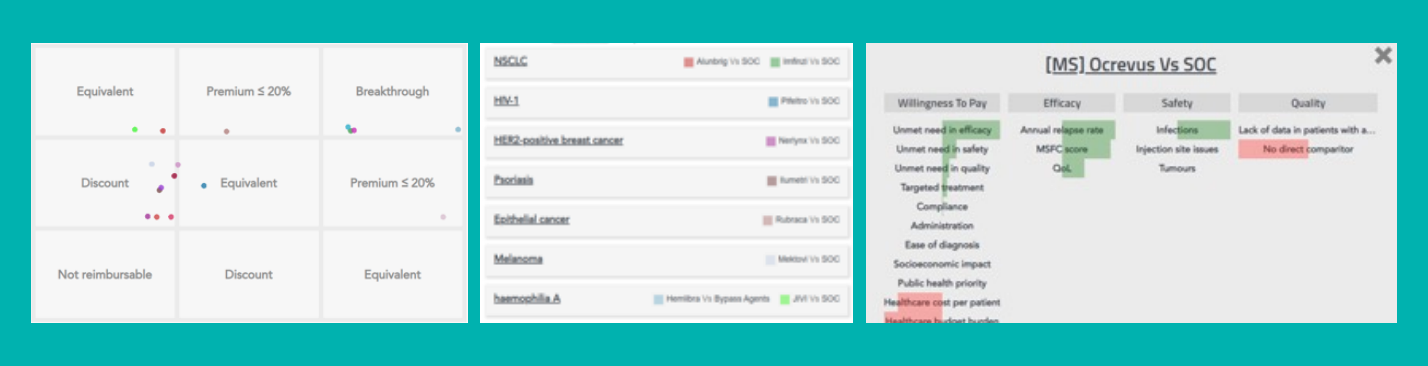
PMAS provides a visual display of the possibility for premium, breakthrough, discount or comparative pricing and highlights key drivers and limitations of these pricing results to support clinical development.

A collection of colorful glass cubes arranged together, showcasing various hues and reflections.
Whitepaper icon teal 10
Resources

Valid Insight conduct market access projects across global markets and our team speak many languages

Valid Insight Payer Research

  • Valid Insight has a GDPR-compliant global payer database, which includes over 1,800 stakeholders across all key pharma markets.
  • This enables us to conduct rapid turnaround payer research projects, and means that we conduct all payer research “inhouse”.
  • All interviews are conducted by senior professionals who are experts in payer research, ensuring that each interview offers maximum value to the client.
  • We also utilise local language interviews where required to ensure payer experts are comfortable at discussing complexity.

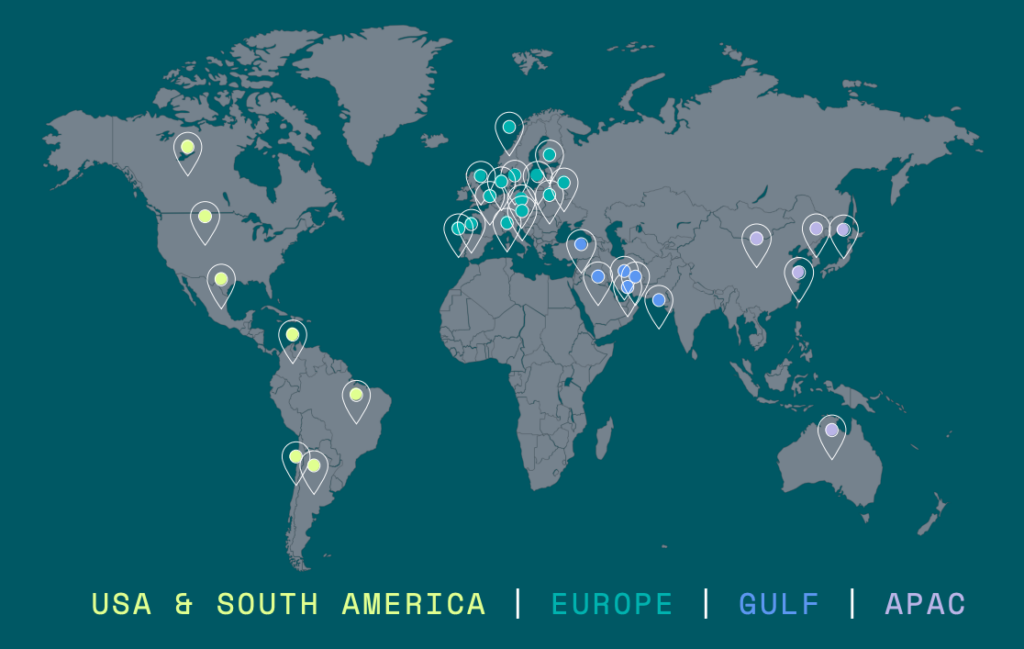
Countries included in project scope over last 2 years. Our multi-cultural team speaks many languages including Dutch, Flemish, French, German, Italian, Spanish, Portuguese, Polish, Greek, Urdu, and English

APAC, Asia Pacific; GDPR, General Data Protection Regulation

The shift toward sustainability
Whitepaper icon
Whitepapers

Evolution of Pharmaceutical Procurement: Embracing Modern Tendering Practices

Since the 1980s, tendering has been used in healthcare procurement. By the end of the 20th century, organizations like the WHO and World Bank had endorsed tendering as the preferred procurement process for pharmaceutical products.

In 2014, the European Union adopted three public procurement directives to modernize public procurement rules and enable governments to manage the operational requirements of efficient procurement.

More recently, in 2022, the European Commission (EC) published a study on the Best Practices in the Public Procurement of Medicines (PPM). This study mapped and analysed current PPM practices across 32 European countries and included a set of best practices for optimising PPM in Europe1.

The EC analysis confirmed that the importance and characteristics of tendering differ significantly between geographies. Tendering processes can range from very strict, where no contact is allowed between customers and suppliers from the tender publication to the final award, to very flexible, with negotiation opportunities at multiple points.

Between these extremes, there are numerous variations. For instance, some processes allow limited communication for clarifications but no negotiations on terms or prices until the final award. Others might start strictly but permit negotiations once a shortlist of suppliers is made. In some cases, the process includes multiple rounds of negotiations at predefined stages, allowing for adjustments based on feedback.

Additionally, flexibility might be granted based on the type of product or service being tendered, such as high-value or complex items having more negotiation points. In some countries, authorities require tendering for all hospital products, while in others, it is only necessary for specific items.

Patient involvement in HTA processes
Whitepaper icon
Whitepapers

A: The role of patientcentricity in HTA and the upcoming JCA framework

HTA is a multidisciplinary process that evaluates the medical, economic, social, and ethical properties of health technologies and interventions to inform decision making about their adoption, funding, and use within healthcare settings. This includes pharmaceuticals, medical devices, and procedures.

It is a systematic and transparent process that aims to bridge the gap between research and policy-making. The process provides evidence-based assessments of the value and impact of health technologies on patient outcomes, healthcare costs, and society as a whole.

In this whitepaper, we will cover the following key points:

The importance of standardised patient engagement in European HTAs and the associated challenges and opportunities in its implementation.

  • Introducing the new standardisation framework for patient involvement in the JCA process.
  • The key principles and criteria for assessing the quality of patient involvement in HTAs.
  • Essential strategic considerations for enhancing patient involvement in the HTA process.

Patients, caregivers, and families possess unique perspectives rooted in personal experiences, offering insights into benefits, risks, and quality-of-life impacts, without a need for technical knowledge in research and development or regulatory processes.

As defined by EUPATI (European Patients’ Academy on Therapeutic Innovation), patients are individuals with personal experience of living with a disease. By sharing their subjective accounts of disease and treatment, patients provide a valuable perspective rooted in their daily experiences and the impact of treatments on their lives2.

Valuable insight icon
Responsiveness to needs icon
Fostering trust icon

Currently, there is a disparity in patient involvement in HTAs across Europe, with some countries having transparent frameworks and others lacking any information. To address this the JCA framework, a new process for HTAs, will be implemented in 2025. This aims to standardise patient and patient organisation involvement in assessing the clinical effectiveness and added therapeutic value of new medicines in the EU.

    To download this document, please provide your details

    By submitting your details, you adhere to our privacy policy

    Thank you, your download has started

    If you brochure doesn't download, click here